Top Stories
Mining
GOVERNMENT WARNED OVER COMPLACENCY IN MINING
July 14, 2026 / Jacqueline MONJEZA
The World Bank says with coordinated government action, Malawi’s mining sector can transform the country’s economy by generating over US$30 billion in export earnings between 2026 and 2040, more than doubling the country’s current total exports..
In its report titled “From Potential to Prosperity; A Roadmap for Malawi’s Energy Transition Minerals; the Bretton wood institution points out that seven projects are at advanced development stages, includ ing Kayelekera Uranium which restarted mining in third quarter of 2025, Kasiya Rutile-Graphite, Kangankunde and Songwe Hill Rare Earth, Kanyika Niobium-Tantalum, Malingunde Graphite, and Makanjira Heavy Mineral Sands.
“Under the Business-as-Usual scenario, only Kayelekera, Kasiya and Kangankunde are expected to proceed, limiting revenue potential. However, targeted government action could unlock additional projects, greatly increasing long-term revenue,” reads the Report,
The Bank says while the business-as-usual scenario would limit annual government revenue to around US$400-million by 2040, with targeted reforms, revenue could rise to US$600 million annually, making a significant 50 percent increase.
The report notes that mining operations are expected to require an addition 120 megawatts of power by 2032 yet Malawi continues to face persistent energy shortages, grid instability and climate related vulnerabilities, which discourage potential investors.
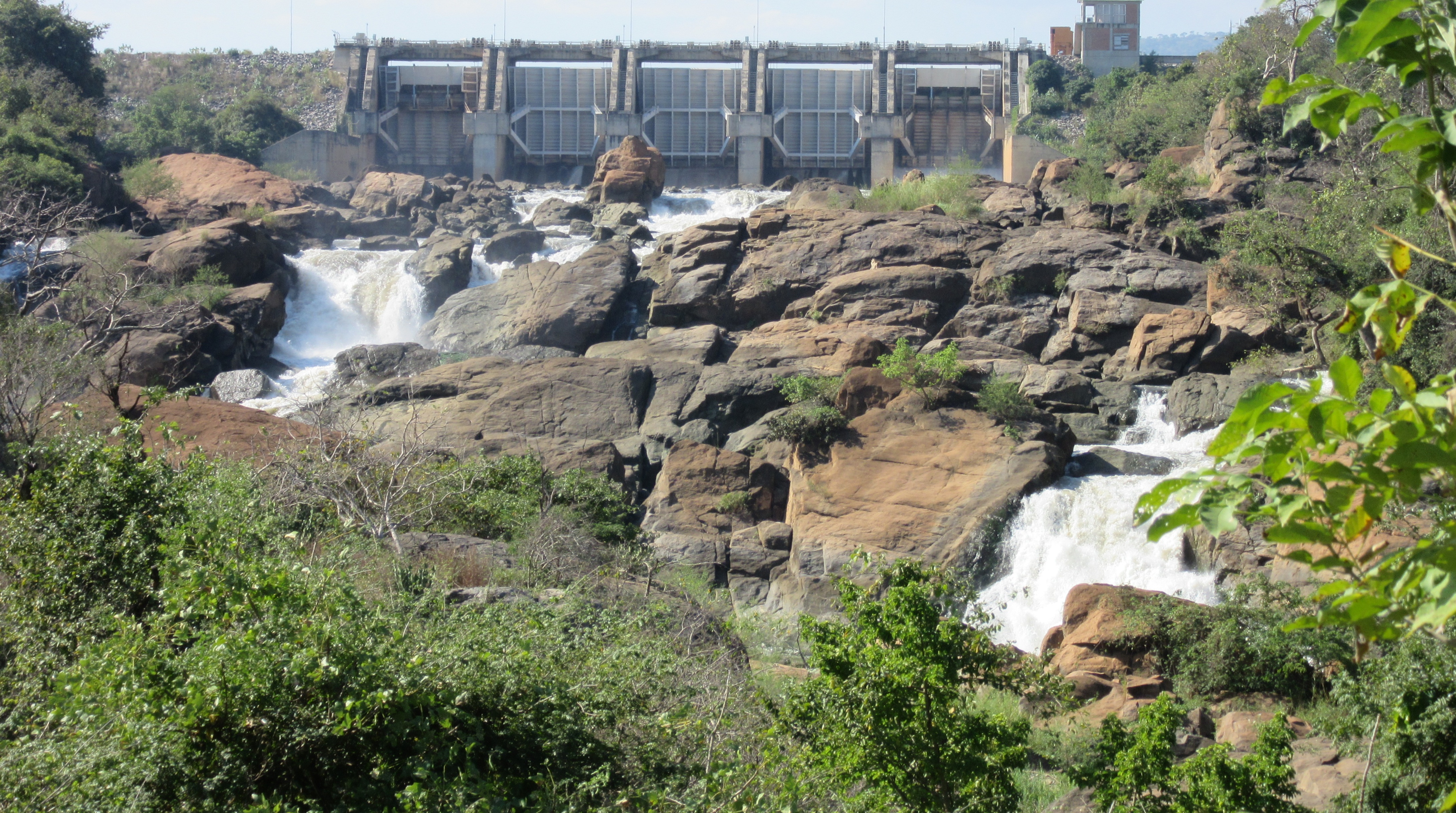
“There is need to accelerate power generation projects, including the Mpatamanga Hydropower storage initiative, and strengthen regional electricity interconnections with neighbouring countries such as Mozambique and Zambia. Access to the Southern African Power Pool is seen as critical to stabilizing supply and reducing costs,” says the Bretton wood institution.
Besides energy, the report highlights policy uncertainty and macroeconomic instability as key deterrents to investment saying investors continue to face challenges linked to foreign exchange shortages, exchange rate distortions, and restrictive foreign exchange policies, which contributes to a wide gap between official and parallel market rates, further undermining investor confidence.
To address these issues, the report calls for a more predictable and market based foreign exchange regime.
It also recommends reforms aimed at improving regulatory efficiency, including clearer guidelines on government equity participation, standardized mining development agreements and streamlined licensing processes.
Strengthening geological data systems and enhancing contract negotiation capacity are also identified as critical steps toward reducing investment risk.
As a landlocked country, Malawi relies heavily on road transport, with approximately 70% of freight moved by road. The report observes that long border clearance times and high logistics costs continue to hinder competitiveness.
It emphasizes the need for urgent upgrades to key transport corridors, rehabilitation of major road networks, and improvements of border facilities. Reconnecting rail links to the port of Nacala is also seen as a strategic priority to facilitate mineral exports.
Malawi is currently under growing pressure to strengthen environmental and social governance in its mining sector as the country pushes to unlock mineral wealth for sustainable development. The World Bank warns that without strong oversight, communities particularly in the Central and Southern regions, risk missing out on the benefits of mining expansion.
The report highlights the need to fully equip regulatory bodies such as the Malawi Environmental Protection Authority (MEPA) and the Mines and Mineral Regulatory Authority (MMRA) to efficiently enforce standards.
It calls for greater transparency, including mandatory public disclosure of mining contracts, Environmental and social impact Assessments (ESIAs), and community agreements.
Formalizing the artisanal and small-scale mining sector, which supports more than 40, 000 people, is also identified as a priority, alongside efforts to eliminate mercury use in ASM.
The Bretton wood institution also advises Malawi to adopt stronger fiscal systems to ensure it captures meaningful benefits from its mineral resources. It cautions against relying heavily on state equity participation at the expense of taxes and royalties, noting that well-structured fiscal instruments provide more predictable revenue.
The World Bank says there is need to improve tax administration, strengthen oversight of complex mining transactions, and adopt measures to manage commodity price volatility.
It reads: “Expectations around mining revenues must remain realistic. Significant financial returns are unlikely to materialize before 2030, raising concerns about premature government spending based on projected income.”
The report warns of the risk of a “resource curse”, where overreliance on anticipated revenues could lead to unsustainable debt and fiscal instability. Aligning public expenditure with realistic revenue projections is therefore seen as critical.
The report also says a major challenge lies in the country’s limited skilled workforce as currently, only about 2.5% of workers possess the technical qualifications required for the mining industry.
“Without urgent intervention, companies are likely to depend on expatriate labor, reducing local employment opportunities. The report recommends expanding technical and vocational training, establishing mining focused centres of excellence, and strengthening apprenticeship programs to build local capacity,” it reads.
Malawi is drawing critical lessons from experiences of resource rich nations, as evidence shows that early mining investment alone does not guarantee lasting success. Countries like Burkina Faso highlight the need for strong sector reforms to anchor growth, while Chile demonstrates the value of long term vision and consistent governance in sustaining a thriving mining industry.
In contrast, Mauritania’s experience warns on the risk of maintaining a “business as usual” approach without accelerating reforms, leading to limited long-term gains. Laos offers perhaps the clearest cautionary tale, where an initial boom in the early 2000s, driven by rapid mine development, ultimately gives away to declining production and reduced economic contribution due to stalled reforms.
Reacting to the report Coordinator for Natural Resources Justice Network (NRJN) Kennedy Rashid said the report presents a strong vision for transforming Malawi’s mining sector.
Rashid said: “I agree that the opportunity is indeed significant. The roadmap report can be a useful guide, but its success will depend on implementation. Without strong accountability and community inclusion, Malawi risks repeating a pattern where mining wealth cannot translate into real development for its people.
“The transformation will only be meaningful if it priorities transparency, accountability, community benefit and environmental protection. I fully support the recommendation for mandatory public disclosure of mining contracts and key documents. Transparency must be enforced in practice, with communities able to access and understand information that affects their lives on a day to day basis.”
Rashid also said strengthening institutions like MEPA, local government authorities and MMRA is essential, but this must include real independence and enforcement capacity to prevent environmental harm and ensure fair resettlement and compensation.
Share this:
Leave a Comment
Comments
Mining & Trade Review News

Agribusiness News
Subscribe to Newsletter
Rehabilitation:
The establishment of a stable and self-sustaining ecosystem, but not necessarily the one that existed before mining began. In many cases, complete restoration may be impossible, but successful remediation, reclamation, and rehabilitation can result in the timely establishment of a functional ecosystem.
Archives
Remediation:
The cleanup of the contaminated area to safe levels by removing or isolating contaminants. At mine sites, remediation often consists of isolating contaminated material in pre-existing tailings storage facilities, capping tailings and waste rock stockpiles with clean topsoil, and collecting and treating any contaminated mine water if necessary.
Stakeholders Logos